The Intricacies of Horse Racing Betting When Not to Bet
The Intricacies of Horse Racing Betting: When Not to Bet
Horse racing has long been a popular sport, attracting millions of fans worldwide. As enthusiasts place their bets, the excitement of the race itself often overshadows the critical considerations that should govern betting decisions. This article delves into the world of horse racing betting, focusing on the situations where it is best to abstain from placing bets. Additionally, we will explore the role of organizations like horse racing betting not on GamStop Merseyside Mounted in promoting responsible involvement with horse racing.
Understanding the Betting Landscape
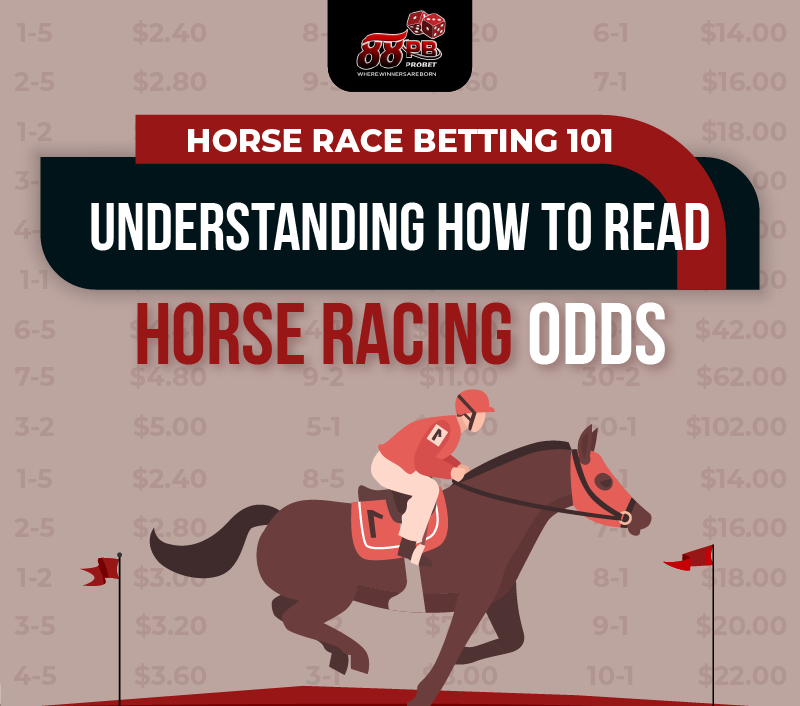
The horse racing industry is vibrant, filled with opportunities for betting. However, it is essential to comprehend the diverse types of bets available, including win, place, show, and exotic wagers such as exactas and trifectas. Each type of bet has different odds and payouts, and understanding these differences is crucial to making informed decisions.
When Not to Bet: Timing and Circumstances
Knowing when to hold back from betting can be just as important as knowing when to place a bet. Here are several scenarios when you should consider not betting:
1. Lack of Information
Before placing a bet, gather as much information as possible about the horses, jockeys, trainers, and the race conditions. If you find yourself betting without sufficient knowledge, it’s a strong indicator to refrain from placing any wagers.
2. Emotional Decision-Making
Betting can evoke strong emotions, especially when personal favorites are involved. However, betting based on emotions, rather than facts and figures, can lead to poor decision-making and substantial losses. It’s crucial to maintain a level head and avoid impulsive bets.
3. Poor Weather Conditions
Weather conditions can significantly impact the outcome of a horse race. If the weather is affecting track conditions drastically, it may be wise to reconsider your bets. Horses that have performed well on a firm track may struggle on a muddy surface, making predictions less reliable.
4. Insufficient Bankroll Management
Effectiv

e bankroll management is essential for sustainable betting. If your funds are low, it’s not only wise to avoid betting but also to reassess your financial situation. Betting should be seen as entertainment, not a source of income.
5. All Bets Are Different: Avoiding Trends
Trends can sometimes cloud judgment. Just because a horse has won the last few races does not mean they will succeed in the next. Taking note of each race as its own entity is essential, and overlooking this principle can lead to betting on false confidence.
The Importance of Responsible Gambling
Responsible gambling is a concept that emphasizes the importance of recognizing when to stop and understanding personal limits. Organizations such as Merseyside Mounted aim to educate the public about the importance of control in betting activities. They focus on ensuring that people engage in horse racing for enjoyment and entertainment rather than letting it turn into a troubling habit. Knowledge of responsible gambling practices helps bettors make better decisions and enjoy the sport without falling into the traps of addiction.
Conclusion
Horse racing offers a thrilling experience both on and off the track. However, knowing when to stay out of the betting scene is just as vital as understanding the odds and placing informed bets. Educating yourself about the sport, remaining aware of external conditions, and practicing responsible gambling are paramount when participating in this exciting activity. Remember that betting should remain a fun endeavor, and recognizing the right moments to abstain is an integral part of enjoying horse racing responsibly.