Why do casinos use specific colors and sounds?
The Psychology of Color in Casinos
Colors play a pivotal role in shaping emotions and influencing behavior, particularly in environments designed for engagement and entertainment, such as casinos. For example, red is often employed for its ability to evoke excitement and urgency. This attention-grabbing hue enhances the thrill of gaming by stimulating feelings that encourage players to make bolder decisions, especially when they consider placing their bets based on nrl betting odds that can shift unexpectedly. The strategic incorporation of red in signage, carpets, and decor can lead to a more immersive experience, urging guests to stay longer and participate more actively in the games.
Conversely, colors like blue and green are frequently used to create a calming ambiance, promoting relaxation and comfort. These hues help balance the intense excitement of gaming, allowing patrons to enjoy their time without feeling overwhelmed. By integrating both stimulating and soothing colors, casinos can establish an inviting environment that caters to diverse personalities, enhancing the overall experience for a wide range of visitors.
Furthermore, the harmonious blend of color schemes throughout the casino creates a cohesive environment. This intentional design approach, which includes coordinating colors in signage, furniture, and slot machines, establishes a sense of flow that captivates guests. By enriching the aesthetic experience with well-thought-out color combinations, casinos can enhance their brand identity, making their venues memorable and visually appealing to all who enter.
The Impact of Sound on the Gaming Experience
Sound is another critical element that casinos carefully curate to enhance the overall gaming experience. The familiar sounds of coins clinking and machines ringing function as an auditory reward system that reinforces the thrill of winning. These sounds elicit a dopamine rush similar to that of winning, motivating players to continue their gaming sessions. Additionally, the strategic use of upbeat music and engaging sound effects keeps energy levels high, making the gaming floor feel vibrant and alive.
Moreover, casinos often incorporate background sounds that blend seamlessly into the overall environment, creating a sense of immersion. This white noise can effectively drown out external distractions, helping players focus on their games. The variation in sound levels across different gaming areas also contributes to a dynamic auditory landscape, drawing attention to high-energy zones like slot machines while providing quieter spaces for table games to encourage conversation and strategy.
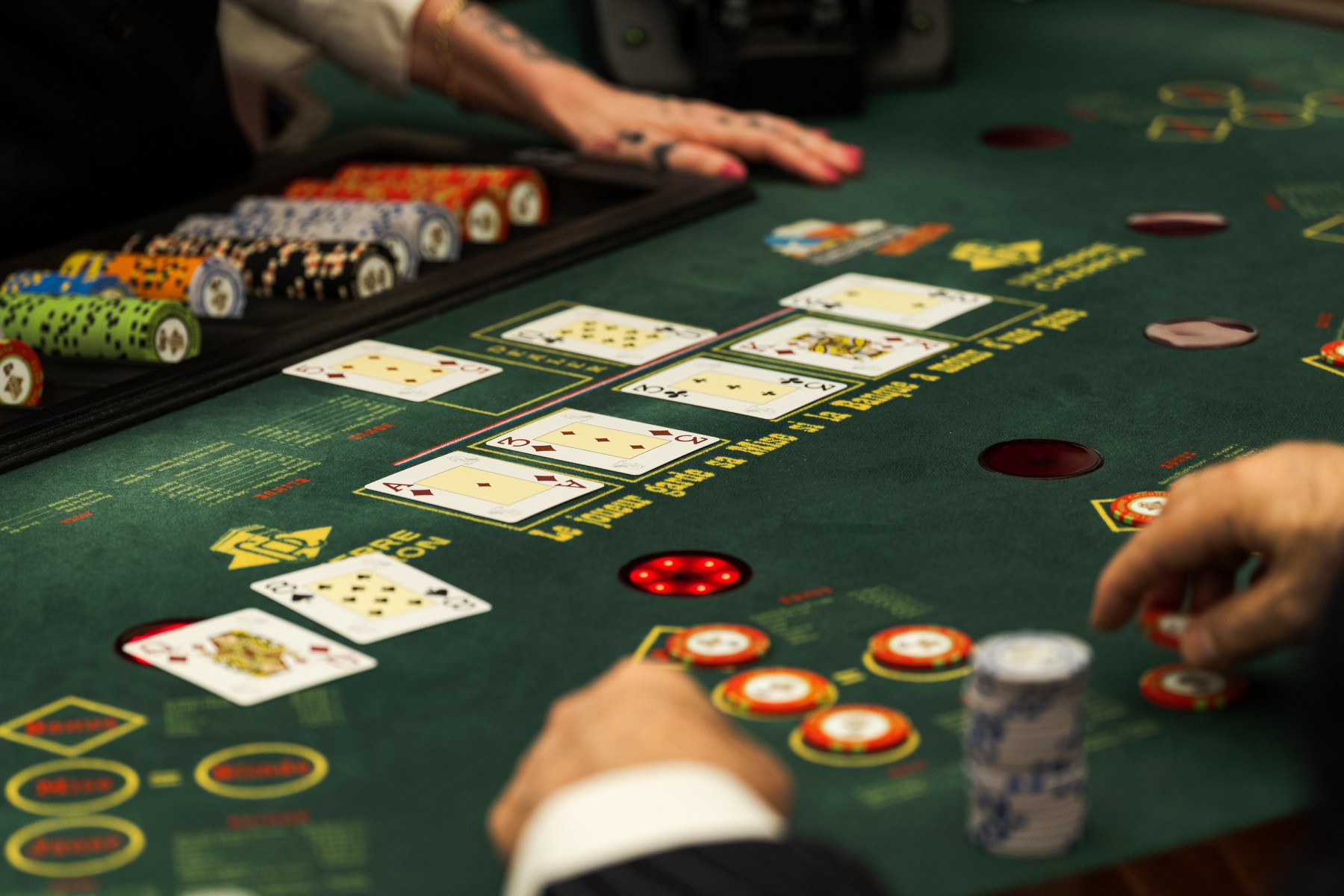
The timing of various sounds is crucial in shaping player perceptions and behaviors as well. For instance, the celebratory jingle of a jackpot is intentionally timed to coincide with a win, drawing attention to the machine and amplifying excitement. This auditory cue can prompt players to gather around a winning machine, creating a social atmosphere that encourages others to try their luck. The influence of sound extends beyond individual experiences, impacting group dynamics and the overall casino environment.
Color and Sound Combined: A Synesthetic Experience
The interplay of color and sound creates a multi-sensory experience that profoundly affects casino guests. For example, vibrant colors paired with high-energy soundtracks can elevate the excitement of specific gaming areas. This synergy stimulates both visual and auditory senses, leading to a more immersive experience. Casinos design their environments to ensure that visitors feel like they are part of a larger, thrilling narrative, enhancing their overall enjoyment and engagement.
Special events, such as themed nights or tournaments, can leverage the combination of color and sound to create memorable experiences. During a high-stakes poker tournament, for instance, casinos may use darker color palettes, accentuated by brilliant lighting and suspenseful music, to create an atmosphere of tension and anticipation. When guests feel that the space is charged with excitement, they are more likely to engage and participate actively, ultimately benefiting the casino’s bottom line.
Additionally, casinos often analyze player feedback and research to refine their strategies regarding color and sound. By monitoring behavior and preferences, they can tailor their environments to maximize engagement and satisfaction. This ongoing adaptation demonstrates the importance of continuously evolving sensory strategies to maintain a competitive edge in the gaming industry, ensuring that the casino experience remains fresh and exciting for returning guests.
The Role of Branding in Color and Sound Selection
Brand identity is a critical component for any casino, and the choice of colors and sounds plays a significant role in establishing this identity. Each casino aims to distinguish itself from competitors, often creating a unique theme or ambiance that resonates with its target audience. Colors used in branding, from logos to interior design, are carefully selected to align with the emotions the casino wishes to evoke. A luxury casino, for instance, may opt for rich colors like gold and deep burgundy to convey elegance and exclusivity, appealing to a high-end clientele.

Sound branding is equally vital in reinforcing a casino’s identity. Custom jingles or ambient music crafted specifically for a casino can create lasting associations in the minds of players. This sonic branding enhances brand recall, ensuring that visitors remember their experience long after they leave. The right combination of sound effects and music not only elevates the gaming experience but also solidifies the casino’s position in a competitive market, making it essential for attracting and retaining customers.
The cohesive integration of color and sound into branding strategies ensures a consistent and engaging experience that encourages repeat visits. By evolving their approach based on player feedback and market trends, casinos can maintain relevance and attract a diverse audience. Ultimately, an effective branding strategy that incorporates both color and sound can create a distinctive identity that entices patrons to return for more, fostering loyalty over time.
Exploring More about Casino Sensory Branding
Understanding the role of color and sound in casinos provides valuable insights into the broader concept of sensory branding. This phenomenon extends beyond colors and sounds to encompass all aspects of the guest experience, including scents, textures, and customer service. By controlling sensory inputs, casinos can curate an inviting and exciting atmosphere that encourages longer visits and increased spending, ultimately leading to higher customer satisfaction.
For those interested in delving deeper into the world of casino marketing and sensory strategies, a wealth of resources is available online. Websites dedicated to industry insights, trend analysis, and case studies can provide valuable information for both casino operators and enthusiasts alike. Whether you are keen to learn about the latest designs in casino aesthetics or the psychology behind gambling, there is an abundance of knowledge to explore that can enhance your understanding of this fascinating industry.
Engaging with these resources can also offer practical strategies for anyone looking to implement sensory branding in their own business or projects. By leveraging the principles of color and sound identified in casino settings, businesses across various industries can enhance their environments to foster customer loyalty and satisfaction. Understanding these intricate sensory elements can lead to more impactful marketing and brand experiences, benefiting both customers and business owners alike.